Professional Roofing Technology
  • Commercial
    • Inspections
    • Roof Installations
      • Replacements
      • New Construction
    • Roof Maintenance
      • Roof Repairs
      • Decking Replacement
      • Restoration
    • Roof Systems
      • TPO
      • TPO Retro-Fit
      • PVC
      • EPDM
      • Modified Bitumen
  • Residential
  • Metal Fabrication
  • Industries
    • Warehousing
    • Manufacturing
    • Industrial
    • Automotive
    • Churches
    • Event Center
    • Cold Storage
    • Hospitals
  • About
    • Leadership Team
    • Partners
    • Careers
    • Areas We Serve
      • Florida
      • Georgia
      • Atlanta
      • North Carolina
      • South Carolina
      • Virginia
      • Alabama
      • Tennessee
  • Blog
  • Contact
  • FAQ
  • (470) 545 2541
  • Menu Menu

Residential vs. Commercial Roof Inspections: How Are They Different?

A professional inspection for any roof, residential or commercial, is focused on protecting the integrity of the structure. But when you look a little closer, there’s a lot that sets residential and commercial roof inspections apart, from design and materials to the tools required and more. Whether you’re a homeowner trying to time your next check-up or a facility manager tasked with maintaining a sprawling commercial property, understanding these differences is key to keeping your roof and investment intact.

Roof Design and Structural Differences

Let’s start with the most visible distinction: the roof’s design. Most residential roofing shingles are installed on pitched roofs with noticeable slopes. These designs naturally shed water and debris and don’t require as frequent oversight. About 90% of residential roofs are built with asphalt shingles, which are durable, cost-effective, and fairly straightforward to inspect.

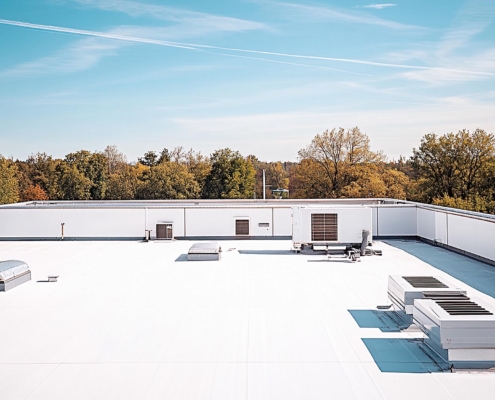
Commercial roofs, however, tell a different story. These structures are overwhelmingly flat or low-slope, meaning water doesn’t just run off; it has to be directed. This introduces a higher risk of ponding water, clogged drains, and compromised seams. Not to mention, commercial roofs support additional infrastructure like HVAC units, exhaust systems, and solar arrays, all of which create more roof penetrations and more opportunities for problems.

Add in the variety of decking materials used: steel, concrete, plywood, gypsum, and even tectum, and the structure beneath a commercial roof is just as varied as what sits on top.

The Inspection Process: Residential vs. Commercial

Despite their differences, commercial and residential roof inspections start with the same goal: evaluating the roof’s condition to prevent future failures. But the process is anything but identical.

What to Expect With Your Commercial Roof Inspection

1. Visual Walkthrough

A thorough visual inspection starts the process. Inspectors look for surface issues like blistering, cracking, exposed seams, and punctures caused by foot traffic or tools left behind by HVAC crews (yes, this is a frequent culprit).

2. Checks for Ponding Water

Flat roofs are susceptible to water pooling. During commercial roof inspections, areas where water consistently sits are noted, as these accelerate membrane breakdown and can lead to leaks or structural damage.

3. Drainage & Penetrations

Drains, scuppers, and roof penetrations like vent pipes or equipment curbs are closely evaluated. These are common failure points where water can seep in if not properly sealed.

4. Core Sampling

Here’s a key differentiator: a core sample is often taken on commercial roofs. This tells the inspector how many layers are in place (you can typically only roof over once), what materials exist underneath, and what type and size of fasteners would be required for future work. It also identifies whether the substrate is concrete, tectum, or lightweight gypsum, all of which affect performance.

5. Perimeter and Flashing Review

The edges of commercial roofs and flashing around penetrations are examined for signs of lifting, degradation, or poor installation; all common contributors to water intrusion.

The Residential Roof Inspection Process

1. Shingle Condition Assessment

On a residential roof, the inspector’s first move is to assess the shingles. Are there missing or curling shingles? Signs of granule loss? These are often the first clues of wear and tear.

2. Gutter and Drainage Check

While not flat, residential roofs still need functioning gutters and downspouts. Inspectors look for clogs, detachment, or improper slope that could cause water to back up onto the roof.

3. Flashings and Valleys

The inspector pays special attention to areas where different parts of the roof meet or transition, around chimneys, skylights, and valleys, because these are common points of failure.

4. Attic Inspection (Interior Side)

Many residential inspections include a look inside the attic for moisture, mold, or daylight showing through—signs of potential roof leaks.

5. Structural Review

Finally, they evaluate the integrity of the roofline. A sagging ridge or soft decking could indicate deeper structural concerns.

Neglecting inspections today often leads to full replacements tomorrow. If you’re wondering what that might cost, our breakdown of commercial roof replacement costs can help put the value of regular inspections (and early action) into perspective.

Here’s The Truth

Why Inspection Frequency Matters

The difference in inspection frequency between the two types of roofs isn’t arbitrary. It’s rooted in how they’re built and what they’re exposed to.

Residential roof inspections are typically performed once every two to three years, unless there’s been a major storm. Thanks to their pitched design, water drains easily, and common issues are slower to develop.

Commercial roof inspections should be performed two to three times per year. The flat design makes them more vulnerable to pooling water and hidden deterioration. Regular inspections help catch issues early before they lead to costly disruptions or unsafe conditions.

Common Issues Found

Each roof type has its usual suspects when it comes to damage:

Typical symptoms associated with residential roofs include:

  • Missing or curled shingles
  • Clogged gutters
  • Damaged flashing
  • Ice dams (in colder climates)

Meanwhile, commercial roofing systems face:

  • Ponding water
  • Membrane punctures from foot traffic or debris
  • Clogged internal drains or scuppers
  • Loose or lifting flashing
  • Cracks in seams or around penetrations

In commercial roofing inspections, we often find signs of neglect caused by infrequent checks and interference from other service work.

Breaking Down Cost, Longevity, and Long-Term Maintenance

Another major area of difference between residential and commercial roofing lies in expected lifespan and associated costs.

Residential roofs tend to be less expensive to inspect and repair, largely because of their size, accessibility, and materials. Asphalt shingles can last 20-30 years with proper care and repairs are typically localized and affordable.

Commercial roofs, on the other hand, can be more costly to inspect and maintain due to the complexity of systems and larger surface areas. However, many commercial roofs, especially when properly maintained, can last 25+ years, especially those made of TPO, PVC, or EPDM membranes.

Budgeting for maintenance is crucial in commercial properties. Regular commercial roof inspections are a small investment that helps avoid the massive expense of premature replacement.

Regulatory & Warranty Aspects to Consider

Commercial roofs are more likely to have stringent requirements tied to local building codes, manufacturer specifications, and insurance policies. Failing to perform regular commercial roofing inspections can void warranties or lead to noncompliance with occupancy codes.

Warranties are another area where commercial and residential diverge. While a homeowner might get a 20- to 30-year shingle warranty, commercial warranties are often tied to both the material and the workmanship, and they usually require proof of ongoing inspections to remain valid.

For both residential and commercial owners, keeping proper documentation of all inspections is important, for warranty compliance, property resale, or insurance claims.

So, When Should You Schedule an Inspection?

For homeowners, a residential roof inspection is smart to schedule:

  • Every 2–3 years
  • After major storms
  • Before selling the home

For business owners or facility managers, commercial roof inspections should happen:

  • At least twice a year (spring and fall)
  • After severe weather events
  • Before and after major construction or equipment installations
  • When planning capital improvements or budgeting for maintenance

When it’s time to schedule an inspection, make sure you’re calling someone with experience specific to your roof type. Not every roofer who handles commercial or residential roofing shingles will understand the complexities of a multi-layer membrane system over steel decking, and vice versa.

Partner With Professional Roofing Technology for Roofing Inspection and Repair

Professional Roofing Technology has handled commercial roof inspections across Georgia and the Southeast for over 20 years. Every roof tells a story, and we have the tools, training, and team to read it properly, whether we’re walking a residential rooftop or navigating a complex industrial system.

Whether you’re managing a warehouse, planning a new build, or just unsure when your last inspection happened, we’re here to help you stay ahead of the next leak, puncture, or drainage failure. Contact Professional Roofing Technology to schedule your next inspection and protect your property from the top down.

Share This Post

  • Share on Facebook
  • Share on X
  • Share on WhatsApp
  • Share on Pinterest
  • Share on LinkedIn
  • Share on Tumblr
  • Share on Vk
  • Share on Reddit
  • Share by Mail

More Like This

Flat White Commercial Roof

Commercial Roof Types: Choosing the Right Roofing Material for Your Climate

Commercial Roofing Materials and Installation
https://www.prorooftechnology.com/wp-content/uploads/2025/06/Flat-white-commercial-roof.jpg 1250 2000 Abstrakt Marketing /wp-content/uploads/2024/08/logo-removebg-preview-5a38d212-2.png Abstrakt Marketing2025-06-16 11:37:082026-05-08 09:57:33Commercial Roof Types: Choosing the Right Roofing Material for Your Climate
Commercial Roof With Pvc Roll

Commercial Roofing Materials: The Ultimate Guide

Commercial Roofing Materials and Installation
https://www.prorooftechnology.com/wp-content/uploads/2025/05/Commercial-roof-with-PVC-roll.jpg 1250 2000 Abstrakt Marketing /wp-content/uploads/2024/08/logo-removebg-preview-5a38d212-2.png Abstrakt Marketing2025-05-23 11:07:302026-05-08 09:57:33Commercial Roofing Materials: The Ultimate Guide

Categories

  • Commercial Roof Installation Process
  • Commercial Roof Maintenance
  • Commercial Roof Repairs
  • Commercial Roof Replacement
  • Commercial Roofing
  • Commercial Roofing Materials and Installation
  • Decking Replacement
  • Emergency Roof Repair
  • New Commercial Roof Install
  • Roof Decking
  • Roof Inspections

About Us

Since 1998, Professional Roofing Technology has been a full-service commercial flat roofing expert, proudly serving businesses across the Southeast United States.

Stay Connected

Services

Roof Installation

Roof Maintenance

Roof Systems

Residential

Contact Us

6955 Buford HWY NE
Doraville, GA, 30340

(470) 545 2541

[email protected]

Website by Abstrakt Marketing Group ©
  • Sitemap
  • Privacy Policy
Link to: What You Need to Know When Starting Your Commercial Roof Installation Link to: What You Need to Know When Starting Your Commercial Roof Installation What You Need to Know When Starting Your Commercial Roof InstallationFlat White Commercial Roof Link to: How Building Age and Use Determine Whether You Need a Commercial Roof Replacement Link to: How Building Age and Use Determine Whether You Need a Commercial Roof Replacement How Building Age And Use Determine Whether You Need A Commercial Roof ReplacementHow Building Age and Use Determine Whether You Need a Commercial Roof Repla...
Scroll to top Scroll to top Scroll to top

This site uses cookies. By continuing to browse the site, you are agreeing to our use of cookies.

AcceptLearn more

Cookie and Privacy Settings


How we use cookies

We may request cookies to be set on your device. We use cookies to let us know when you visit our websites, how you interact with us, to enrich your user experience, and to customize your relationship with our website.

Click on the different category headings to find out more. You can also change some of your preferences. Note that blocking some types of cookies may impact your experience on our websites and the services we are able to offer.

Essential Website Cookies

These cookies are strictly necessary to provide you with services available through our website and to use some of its features.

Because these cookies are strictly necessary to deliver the website, refusing them will have impact how our site functions. You always can block or delete cookies by changing your browser settings and force blocking all cookies on this website. But this will always prompt you to accept/refuse cookies when revisiting our site.

We fully respect if you want to refuse cookies but to avoid asking you again and again kindly allow us to store a cookie for that. You are free to opt out any time or opt in for other cookies to get a better experience. If you refuse cookies we will remove all set cookies in our domain.

We provide you with a list of stored cookies on your computer in our domain so you can check what we stored. Due to security reasons we are not able to show or modify cookies from other domains. You can check these in your browser security settings.

Other external services

We also use different external services like Google Webfonts, Google Maps, and external Video providers. Since these providers may collect personal data like your IP address we allow you to block them here. Please be aware that this might heavily reduce the functionality and appearance of our site. Changes will take effect once you reload the page.

Google Webfont Settings:

Google Map Settings:

Google reCaptcha Settings:

Vimeo and Youtube video embeds:

Accept settingsHide notification only